What Are the Best Balance Exercises for Seniors at Home? Improve Your Balance With Exercises for Older Adults
By Mark Slorence
Oct 4, 2026


 Back to all posts
It is a fact of life that we all grow old, and one of the biggest setbacks with growing older is loss of balance. Independence, or perhaps just confidence, can be compromised by feeling unsteady when walking, getting up from a chair, or even standing for an extended period of time. The good news is that balance does not have to be something we lose forever. It can be improved with the right exercises, many of which can be done from the comfort of your own home. At GM Physiotherapy, we know how simple, specific movement patterns can help bring stability back into seniors’ lives, reduce their likelihood of falling, and help them move through life more comfortably.
At a glance
- Balance can be improved at any age with simple, regular exercise.
- The six exercises below need only a sturdy chair, a wall and a little free space.
- Aim for balance work at least three times a week.
- Keep support within reach, and speak to a physio first if you have had a recent fall or surgery.
Why Balance Exercises Matter for Seniors
As we age, we experience sarcopenia, a gradual loss of muscle mass and strength, while our joints stiffen and reflexes slow. This makes older adults more susceptible to falls, a leading cause of injuries in old age. But balance exercises do much more than help prevent falls. They also tone muscles, improve coordination and enhance confidence.
In this sense, balance exercises are a tune-up for the body. They maintain strong muscles, keep joints flexible and keep the mind sharp. If you feel steadier on your feet, you are more likely to remain active, independent and engaged in all of life’s daily activities without fear of falling.
What Causes Balance Issues in Seniors?
There is usually not a single reason. Often it is a combination of factors. The main reasons seniors have difficulty with balance include:
- Weakness in the leg and core muscles
- Stiffness in the joints, especially the hips, knees and ankles
- Vision changes that make it harder to judge distances or objects
- Some medicines, which may cause dizziness
- Inner ear disorders that interfere with balance
- Reduced physical activity, which leads to poor muscle tone and coordination
Knowing the “why” behind balance problems makes it easier to find the right “how” when it comes to solutions.
Improve Your Balance With Exercises for Seniors
Here are easy and effective balance exercises for seniors that can be done right at home. You do not need any special equipment, just a stable chair, a wall for support and a little free space.
1. Standing March
Stand tall, holding onto the back of a chair for support. Raise one knee as if you are marching, then return your foot to the floor. Switch legs and repeat for one to two minutes. This move tones your legs and trains your body to stay stable as you move.
Builds: leg strength and stability on the move
2. Heel-to-Toe Walk
Place the heel of one foot directly in front of the toes of your other foot, as if walking along a straight line. Move carefully, placing a hand on the wall or a bench if necessary. This works on coordinating all the muscles in your lower legs.
Builds: coordination
3. Sit-to-Stand
Sit on a firm chair with your feet planted on the ground. Cross your arms over your chest and slowly rise out of the chair without using your hands. Gently sit back down and repeat 10 times. This helps your leg muscles develop the strength you need for balance and daily activities.
Builds: leg strength
4. Side Leg Raises
Support yourself by holding the back of a chair. Raise one leg out to the side, keeping it straight and controlled, then lower it back down. Switch legs. This builds up the hip muscles, which are key to helping you feel steady on your feet.
Builds: hip strength
5. Standing on One Foot
If you are new to this, stand next to a stable surface for support. Lift one foot slightly off the ground and hold your balance for 10 to 20 seconds. Switch legs. Over time, you will be able to hold the position for longer without wobbling.
Builds: steadiness when standing still
6. Heel Raises
Stand up, holding onto a chair or wall. Slowly lift your heels so that you are standing on your toes, then lower back down. Repeat 10 to 15 times. This builds strength in your calves and ankles, which are important for stability while walking.
Builds: calf and ankle strength
Safety Tips Before You Start: Ensure You Reduce the Risk of Falls
Balance exercises are generally safe for older adults, but it is important to proceed with caution.
- Keep something sturdy, such as a chair or a wall, within reach in case you feel unsteady.
- Wear supportive shoes and avoid slippery floors. Our guide to creating a safe home environment has more ideas.
- Take it slow. Balance improves through repetition, not speed.
- Stop straight away if you feel dizzy or unwell.
If you have any existing health issues, have had recent surgery or are unsure about your mobility, it is a good idea to have a chat with a physiotherapist before taking on new exercise.
How Often Should Seniors Do Balance Exercises?
Consistency is key. Ideally, balance exercises should be performed three or more times a week. They can be part of a daily routine, mixed and matched with walking or light strength training, or even done in front of the television. The more often you work on your balance, the sooner you will notice improvements.
3+
sessions a week is the ideal target for balance exercises, alongside walking or light strength work.
Caring for an older family member? Our at home exercise tips for caregivers explain how to support them safely.
When to Seek Professional Help
If you find that you are unsteady on your feet, have recently had a fall, or feel light-headed when standing, it might be time to seek expert advice. A physio can create an individualised exercise program to suit your needs, track your progress and make sure you are doing every move safely.
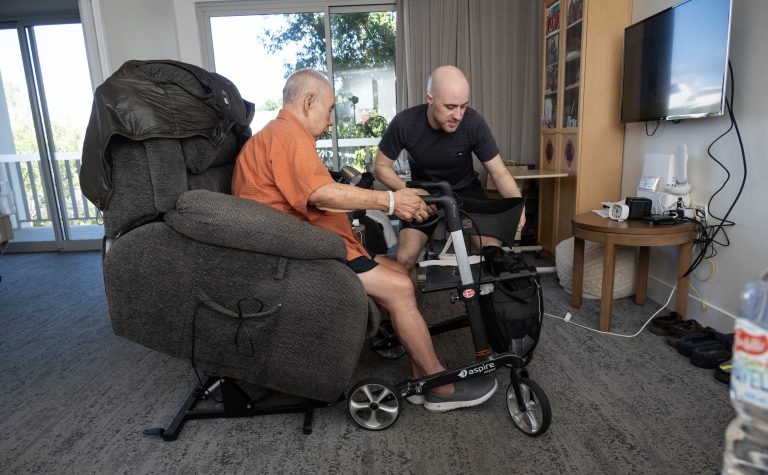
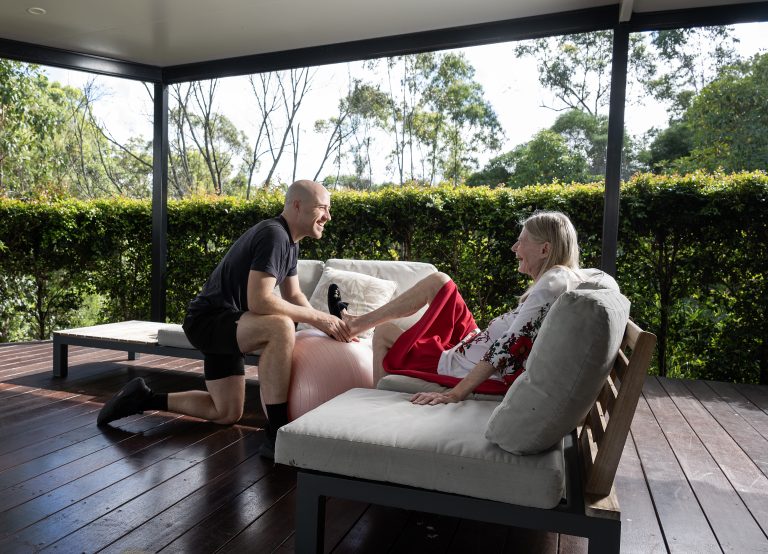
At GM Physiotherapy, we are mobile physiotherapists and osteopaths, so we bring our services to you. Whether you are at home or in an aged care facility, we offer dedicated support to help you build independence and confidence in daily living.
Conclusion
Balance exercises for older people are important not only to prevent falls, but to help you move better and more confidently as you go about your day. Simple moves like standing marches and sit-to-stands can all be done easily at home, with minimal effort and maximum gain.
If you are local to the Gold Coast and need tailored support designed for your body, GM Physiotherapy can help. We treat biomechanical problems and pain, from therapy to massage, in the comfort of your own home. Together, we can help you move with less pain and enjoy a healthier, more balanced life. Not sure how your sessions will be funded? Find out who pays for your physio.
FAQs
How long does it take to see improvements in balance?
Most seniors notice progress within four to six weeks if they practise balance exercises regularly.
Do I need equipment for these exercises?
No. Most can be done with just a sturdy chair or a wall for support.
Can balance exercises reduce my risk of falling?
Yes. Regular practice strengthens muscles, improves coordination and boosts confidence, all of which lower the risk of falls.
Should I stop if I feel dizzy or unsteady?
Absolutely. Always prioritise safety. If you feel unwell or lose your balance, stop immediately and consult a healthcare professional.
Can physiotherapy help with balance problems?
Yes. A physiotherapist can identify the root cause of balance issues and create a tailored program to improve your strength and stability.