Does Physiotherapy Help Older People Who Don’t Move Much? How Regular Physio Can Help Mobility in Senior Adults
By Mark Slorence
Oct 8, 2026


 Back to all posts
Slowing down is a normal part of ageing. Some people find it hard to walk, others spend a little more time sitting in their chairs, and many say routine tasks do not feel as easy as they used to. But restricted movement can set off a cascade of stiffness, weakness and even a loss of independence. That is where physical activity guided by a physio can change everything.
So, does physiotherapy actually benefit older people who move very little? The answer is a resounding yes, with effects that extend well beyond physical health.
At a glance
- Physiotherapy helps older adults who move very little regain strength, mobility and confidence.
- Gentle, tailored treatment can ease pain and stiffness and lower the risk of falls.
- Home visits remove transport barriers and keep therapy focused on real daily tasks.
- Small, steady gains add up to more independence and a better quality of life.
Why Limited Mobility Happens in Older Adults
As the years go by, it is not uncommon for older adults to move less. A variety of factors can bring about this change:
- Conditions such as arthritis, stroke or Parkinson’s disease can make it difficult to move.
- Many older adults feel reluctant to move after an injury or surgery, worried about pain or having a fall.
- Persistent immobility can, in itself, weaken the muscles and stiffen the joints, making it even harder to stay active.
- A diagnosis such as osteoporosis can create fear and change how a person approaches physical activity, leading to reduced mobility and a lower quality of life.
When movement drops away, independence and confidence often follow. Small activities, such as climbing a flight of stairs, making dinner or simply getting to the bathroom, can begin to feel unmanageable.
That is where physiotherapy can help, guiding older people out of that downward spiral of inactivity.
How Physiotherapy Helps Older Adults Who Don’t Move Much
Physiotherapy for older adults is not just about exercise. It is about fitting treatment to each person’s needs, environment and health. For older adults who have become sedentary, it can be life-changing.
Restoring Strength and Mobility
Gentle, guided movement and targeted exercises can gradually rebuild muscle strength and joint range of motion. Even modest gains in mobility can unlock greater independence, whether that means standing up more easily or walking more confidently around the house.
Reducing Pain and Stiffness
Stiff, painful joints are a common result of conditions like arthritis or long periods of inactivity. Manual techniques, stretching and hydrotherapy can ease pain and change how a person feels about movement, so it becomes less threatening and more enjoyable.
Preventing Falls and Injuries
Falls are a major worry for many older people, and physiotherapy tackles this head-on. By improving balance, coordination and muscle control, physiotherapists help seniors reduce their fall risk and feel more confident moving safely.
Facilitating Recovery After Sickness or Surgery
Older adults can find it harder to bounce back after surgery or illness. Physiotherapy offers a targeted, safe path to recovery, helping them return to their normal routine sooner.
Enhancing Mental and Emotional Wellbeing
The benefits are not just physical. Movement of any kind improves circulation, releases endorphins and lifts your mood. For older people who feel stuck at home or lonely, physiotherapy can restore a sense of purpose and positivity.
Why Home-Based Physiotherapy Matters
For many older adults with mobility challenges, getting to a clinic can be overwhelming, if not impossible. That is what makes mobile physiotherapy such a game-changer.
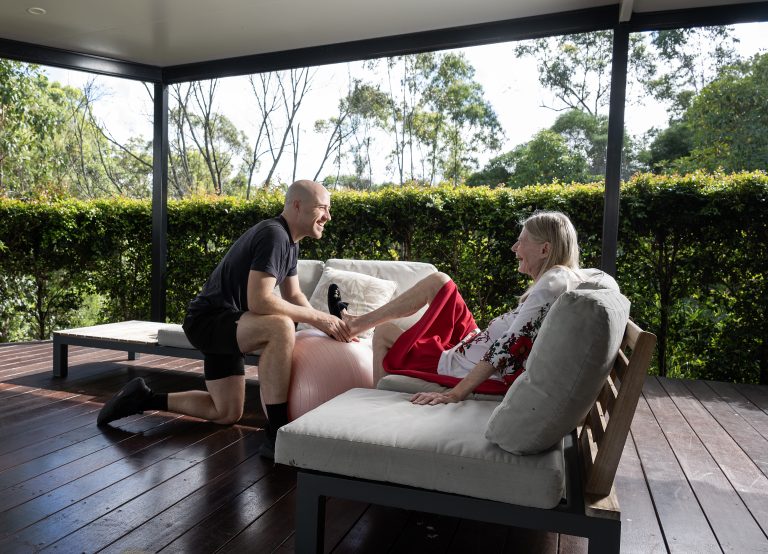
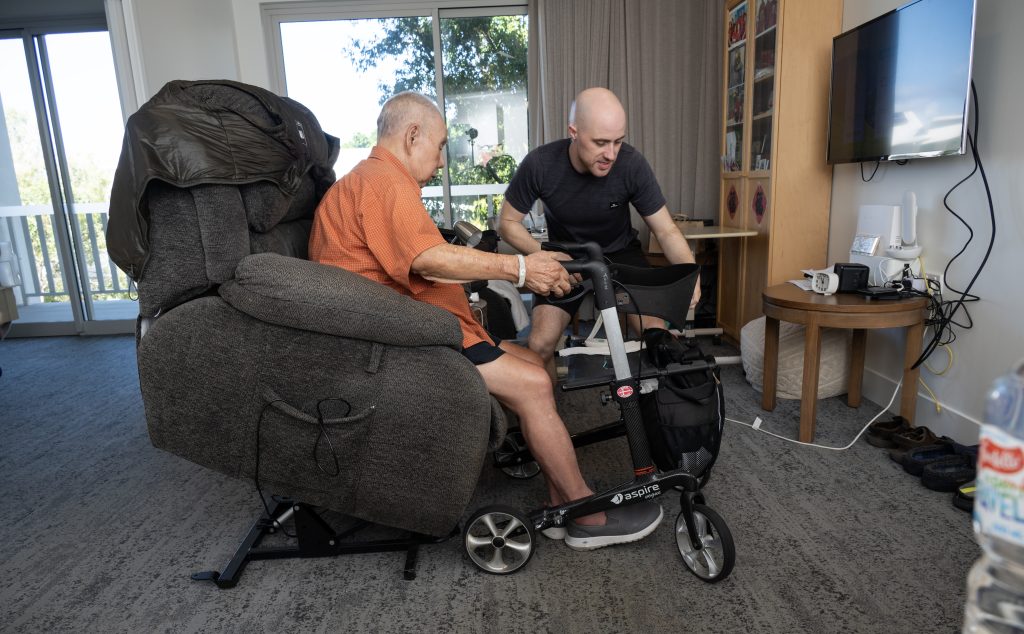
At GM Physiotherapy, we bring treatment to your door, whether you live at home or in aged care on the Gold Coast. Working with people in their own environment makes therapy more comfortable, relevant and practical. Exercises are tailored to the spaces seniors actually live in, from sitting down and standing up from a favourite chair to walking safely through hallways.
This in-home approach supports continuity of care, removes transport barriers and keeps therapy focused on real-life challenges.
Types of Physiotherapy That Work Well for Older Adults
Physiotherapy is not one-size-fits-all. For people who are less mobile, gentle and supportive therapies can make a significant difference:
- Hydrotherapy: warm water takes pressure off the joints, making movement easier and less painful.
- Manual therapy: hands-on techniques help relieve stiffness and promote better movement.
- Resistance and balance exercises: these can be of great benefit, even when done in seated or supported positions.
- Functional training: practising everyday tasks, such as getting in and out of bed, helps people regain independence.
The great thing about physiotherapy is that it is scalable. Programs are adjusted as a person gets stronger.
Breaking the Cycle of Inactivity and Improving Senior Mobility
The inactivity trap is one of the biggest challenges seniors face. It often begins with pain or a fear of falling, which stops people from moving. Less movement leads to weaker muscles and stiffer joints, which makes moving even harder.
The inactivity cycle
Pain or fear of falling → Moving less → Weaker muscles and stiffer joints → Moving becomes even harder
Physiotherapy interrupts this cycle. Through safe, supported movement, it rebuilds strength, reduces pain and restores confidence. Over time, these improvements add up and make everyday life more satisfying.
A Real-Life Difference
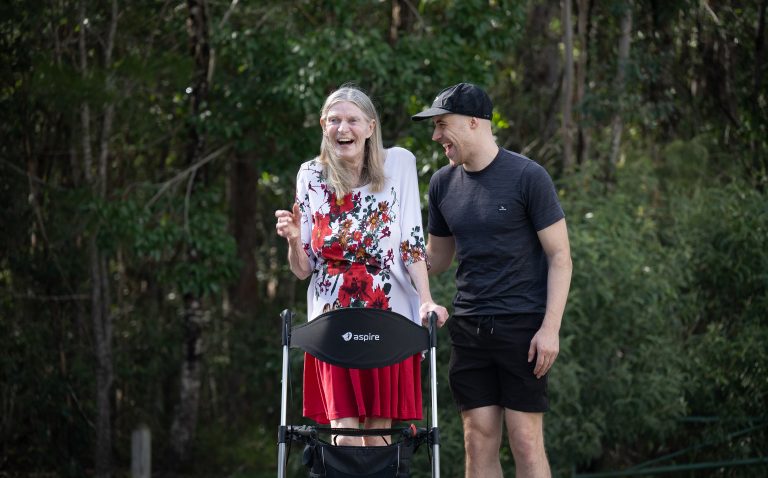
Think of an older person who is largely sedentary, fearful of falling and too stiff to walk far. Through ongoing physiotherapy, they build strength, learn to walk safely and gain confidence. Soon they can move around their home without fear again, join in family activities they love and even return to hobbies that once brought them joy.
That is the real value of physiotherapy: not just adding years to life, but adding life to those years.
Why Choose GM Physiotherapy
At GM Physiotherapy, we are passionate about helping older adults in the Gold Coast community live fuller, more independent lives. Our team brings physiotherapy and osteopathy services straight to your home or aged care facility, tailoring treatment to your situation.
With a mix of hands-on therapy and personalised exercise programs, we focus on what matters most: your comfort, independence and overall wellbeing. Not sure how your sessions will be funded? Find out who pays for your physio.
Conclusion
So, does physiotherapy help older people who don’t move much? Absolutely. It is not just about exercises or stretches. It is about giving seniors the chance to regain independence, reduce pain and enjoy a better quality of life.
Whether it is recovering from surgery, managing a chronic condition or simply staying active and mobile, physiotherapy offers a pathway to healthier, happier ageing. If you care for an older family member, our at home exercise tips for caregivers are a good place to start. And with mobile services like GM Physiotherapy, help is right at your doorstep.