What are the physiotherapy goals for Achilles tendinopathy?
By Grant_Admin
Sep 2, 2026


 Back to all posts
Achilles tendinopathy is a common problem for active and less active people alike. Your tendons connect muscle to bone, and the Achilles tendon plays a big part in walking, running and keeping your ankle stable. When it becomes painful, everyday activity can quickly become difficult. Most cases are managed without surgery, and physiotherapy is a key part of recovery, using specific exercises and hands-on care to settle symptoms and get you back to normal activity.
At a glance
- Achilles tendinopathy is usually caused by overuse and repeated load on the tendon.
- Physiotherapy works through five goals, from settling pain to returning you to full activity.
- Gradual, progressive loading of the tendon is central to recovery, rather than complete rest.
- Many people notice improvement within a few weeks, while chronic cases can take three to six months or more.
What Is Achilles Tendinopathy?
Your Achilles tendon is the thickest and strongest tendon in your body. It connects your calf muscles to your heel bone and lets you push off as you walk, climb, jump or run.
Achilles tendinopathy describes pain and changes in the Achilles tendon, usually caused by overuse and repeated load over time. It is different from an Achilles rupture or a calf strain, which is why a proper assessment matters. If you are unsure how it differs from tendonitis, our guide to the difference between Achilles tendinopathy and tendonitis explains more.
It can follow a single injury, but more often it builds up through repeated small strains on the tendon. Tight calves or a tight Achilles can make things worse, and certain activities can aggravate the tendon further. Common symptoms include:
- Pain behind the heel
- Swelling behind the ankle
- Calf stiffness, usually worse in the morning
- Pain when walking, jogging or jumping
The Goal of Physiotherapy Management For Achilles Tendinopathy
If you are wondering whether physiotherapy is good for Achilles problems, the short answer is yes. Treatment follows a clear progression, and this is the roadmap we work through:
Your rehab roadmap
- Goal 1: Reduce pain and inflammation
- Goal 2: Restore range of motion and flexibility
- Goal 3: Rebuild strength and load capacity
- Goal 4: Correct biomechanics and prevent recurrence
- Goal 5: Return to sport, work or daily life
Physiotherapy Goal #1: Reduce Pain and Inflammation
The first goal is usually symptom relief. Achilles tendinopathy does not always come with dramatic swelling or inflammation, but the pain can still be significant, especially when walking, running or even standing.
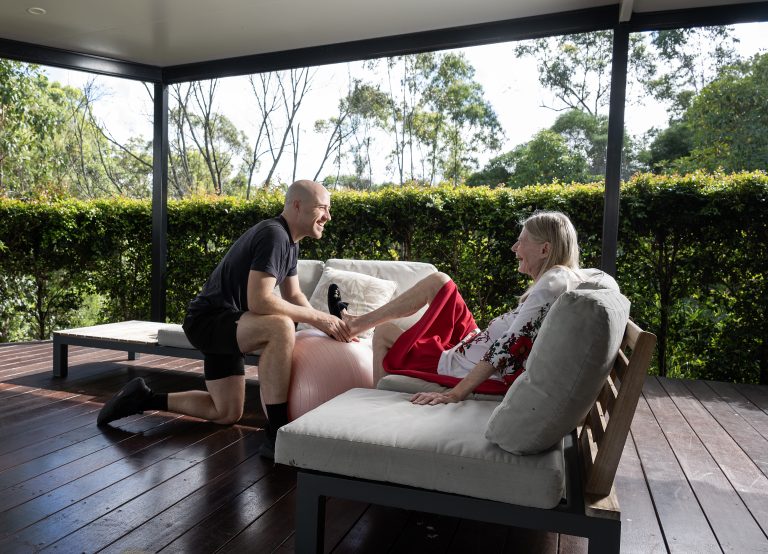
Our Gold Coast physio team manages this discomfort with a mix of hands-on therapies, including manual techniques and soft tissue massage. Dry needling may also help release tension in the calf muscles and improve blood flow around the tendon.
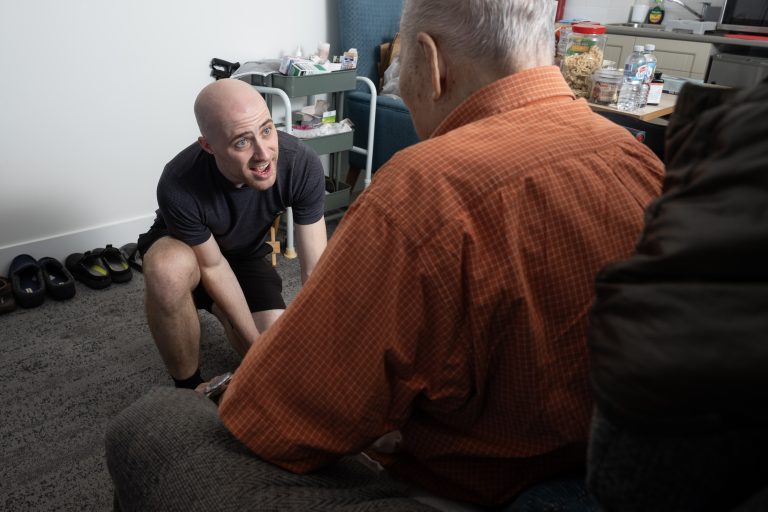
If pain makes it hard to get to the clinic, our mobile physiotherapy service brings treatment straight to your door, tailored to your home environment.
Focus: settling pain
Physiotherapy Goal #2: Restore Range of Motion and Flexibility
Achilles tendinopathy can leave your ankle stiff and your movement limited. Restoring range of motion matters not just for day-to-day comfort, but for long-term tendon health.
We work on gradually restoring ankle dorsiflexion (pulling your toes towards your shin), along with flexibility in the calf. Targeted stretches and mobility drills form part of your home program, and we review and adjust them during your in-clinic or mobile sessions.
The aim is not movement for its own sake. It is to help your tendon handle daily loads without flaring up.
Focus: ankle and calf mobility
Physiotherapy Goal #3: Rebuild Strength and Load Capacity
This is the heart of Achilles rehab: loading the tendon the right way, not too much and not too little. Complete rest is no longer the standard approach, as research shows tendons tend to respond best when they are gradually exposed to load.
Our team at the Gold Coast clinic builds a strength program around your starting capacity and goals. We usually begin with isometric exercises, such as static calf holds, to engage the tendon safely. From there, we progress to eccentric exercises, such as slow heel drops, which research suggests can improve tendon structure and reduce pain.
Every step is tracked and adjusted based on how you are responding. There are no cookie-cutter protocols, just care tailored to you.
Focus: progressive tendon loading
Physiotherapy Goal #4: Correct Biomechanics and Prevent Recurrence
Achilles tendinopathy does not usually appear out of nowhere. It is often linked to biomechanical factors such as flat feet, poor footwear, tight calves or inefficient running patterns.
At our clinic, we assess your whole movement system, looking beyond the ankle at hip control, gait and core stability. We use this information to correct movement habits and reduce excess strain on the Achilles.
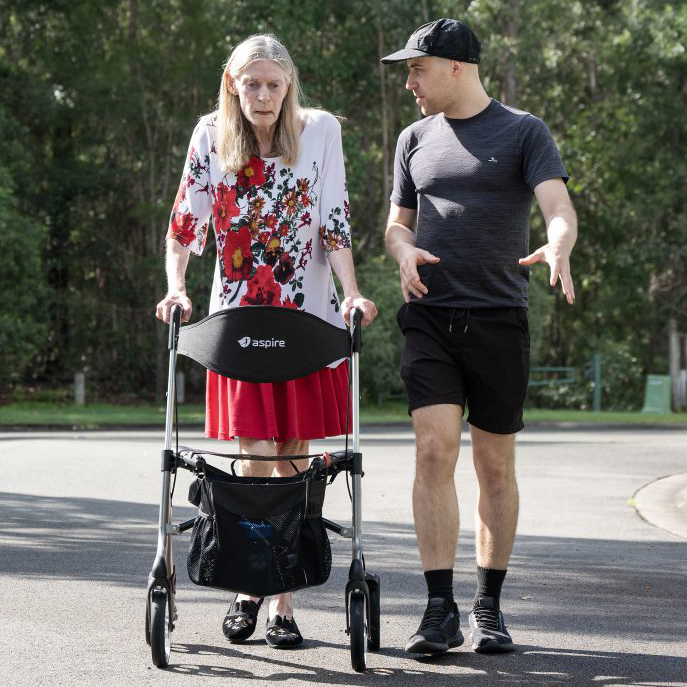
If you are a runner, we may look at your running gait and give you tailored strategies and exercises to improve your form. For non-runners, we focus on walking patterns, footwear advice and strength in the muscles that support the lower limb. Heel pain can also have other causes, such as plantar fasciitis, which we can assess at the same time.
Focus: movement and prevention
Physiotherapy Goal #5: Return to Sport, Work, or Daily Life
The end goal: getting you back to doing what you love without that nagging heel pain.
Whether your goal is playing social netball, getting through your work shift or chasing your kids around the backyard, our final goal is to return you safely to full function.
This phase includes advanced strengthening, isotonic exercises and sport-specific drills where needed. For people with demanding jobs or hobbies, we build in a maintenance plan to help keep the tendon healthy long term. And if you have a busy schedule, our mobile appointments fit around your routine. It is physio that meets you where you are, literally.
Focus: full function
How Long Does Treatment of Achilles Tendinopathy Take?
It is the question everyone asks. Recovery timelines vary depending on how long you have had symptoms, your activity level and how consistently you follow your rehab plan. Many people notice improvements within a few weeks, but full recovery can take three to six months or more for chronic cases.
3 to 6
months is a typical timeframe for full recovery from chronic Achilles tendinopathy.
The key is not to rush it. Tendons respond to slow, steady progression, and a structured plan with professional support can help reduce the risk of setbacks. For more on timeframes, see will Achilles tendinopathy ever go away? and how long physiotherapy takes.
Why Choose Our Gold Coast Physiotherapy Clinic
Our approach to Achilles tendinopathy is grounded in evidence and experience. We combine hands-on care with exercise rehabilitation, dry needling and education, so you understand exactly what is happening and why.
What sets us apart is the level of personalisation. No two cases are exactly alike, and neither are our treatment plans. Whether you visit us in the clinic or prefer the convenience of our mobile physiotherapy service, we are committed to giving you the tools and support to take charge of your recovery.
FAQs
Is dry needling safe for Achilles tendinopathy?
When performed by a suitably trained physiotherapist, dry needling is generally considered safe and may help relieve muscle tightness in the calf. Your physio will discuss whether it is right for you.
Can I keep running with Achilles tendinopathy?
It depends on the severity. Some people can modify their running, while others need a short break. We will guide you based on your situation.
How do I know if I have Achilles tendinopathy or something else?
A proper assessment by a physiotherapist can help tell the difference between tendinopathy, bursitis or even a partial tear. Do not guess. Get it checked.
Do you offer home visits on the Gold Coast?
Yes. Our mobile physio service brings care to your home, making it easier to stick to your rehab plan without the travel.
Final Thoughts
Achilles tendinopathy can be a stubborn problem, but with clear physiotherapy goals and a structured, tailored approach, recovery is very achievable for many people. Whether you are dealing with recent pain or a long-standing issue, getting the right help early can make a real difference to your progress.
If you are on the Gold Coast and looking for personalised care for Achilles tendinopathy, with the convenience of a mobile physio option, get in touch with our clinic today and take the first step towards moving comfortably again. You can also check our fees before you book.