How Do I Reduce My Parent’s Risk of Falls at Home? Home Safety Tips, Balance and Strength to Prevent Falls
By Mark Slorence
Nov 25, 2026


 Back to all posts
Watching a parent become less steady on their feet is worrying. Perhaps they have had a near miss on the bathroom tiles, or you have noticed them holding onto the furniture as they move through the house. The good news is that many falls can be prevented. A mix of simple home safety changes, the right exercise program and regular check-ins with health professionals can reduce the risk of falling and help your parent stay safe and independent at home for longer. At GM Physiotherapy, our mobile physiotherapists visit older people in their own homes across the Gold Coast, so we see first-hand which changes make the biggest difference.
At a glance
- At least one in three people aged 65 and over fall each year, and half of the falls that put older Australians in hospital happen at home.
- Start with the basics: good lighting, clear walkways, grab rails and non-slip mats.
- Balance and strength training is one of the most effective ways to prevent falls.
- A medication review, a yearly eye test and sturdy footwear all reduce the risk.
- A physiotherapist can assess your parent’s falls risk and build an exercise program in their own home.
Why Falls at Home Are a Major Concern for Older People
Falls are a leading cause of injury in older Australians. According to the Australian Institute of Health and Welfare, falls account for around three in four injury hospitalisations among people aged 65 and over, and one in two of those falls occurs in the home. Half of hospitalised falls involve a fracture, such as a hip fracture, which can mean a long hospital stay and months of rehabilitation.
The impact of falls goes beyond the physical injury. After a fall, many older people become less active because of a fear of falling. Moving less leads to weaker muscles and poorer balance, which in turn increases their risk of falling again. Breaking that cycle early is one of the best things you can do for your parent.
1 in 3
people aged 65 and over living in the community fall at least once each year.
Why Does My Parent Keep Falling? Common Risk Factors for Falls
Falls rarely have a single cause. Most happen when several risk factors combine. The most common risk factors for falls among older people include:
- Muscle weakness in the legs and hips, and reduced balance and coordination
- Previous falls, which are one of the strongest signs of future falls
- Medications that cause dizziness or drowsiness, particularly when several are taken together
- Poor eyesight or out-of-date glasses
- Health conditions such as arthritis, stroke, Parkinson’s disease, diabetes or low blood pressure
- Numbness or pain in the feet and legs
- Unsafe footwear, such as loose slippers, thongs or high-heeled shoes
- Hazards around the home, including clutter, loose mats, poor lighting and slippery floors
- Rushing to the toilet at night
If your parent has fallen more than once in the last year, or you notice they are unsteady, speak with their GP or a physiotherapist. A falls risk assessment will show which factors matter most for them. If they have become much less active lately, our article on physiotherapy for older people who do not move much explains how to get them moving again safely.
Home Safety Tips to Prevent Falls, Room by Room
You do not need to turn your parent’s house into a hospital ward. Small, practical changes around the home can make a real difference. For a more detailed guide, read our article on creating a safe home environment for mobility and independence.
Floors, hallways and stairs
Keep walkways clear of cords, shoes, boxes and low furniture. Remove loose rugs, or secure them with non-slip backing. Make sure stairs have sturdy handrails on both sides and good lighting at the top and bottom, and mark the edge of each step if it is hard to see.
Bathroom and toilet
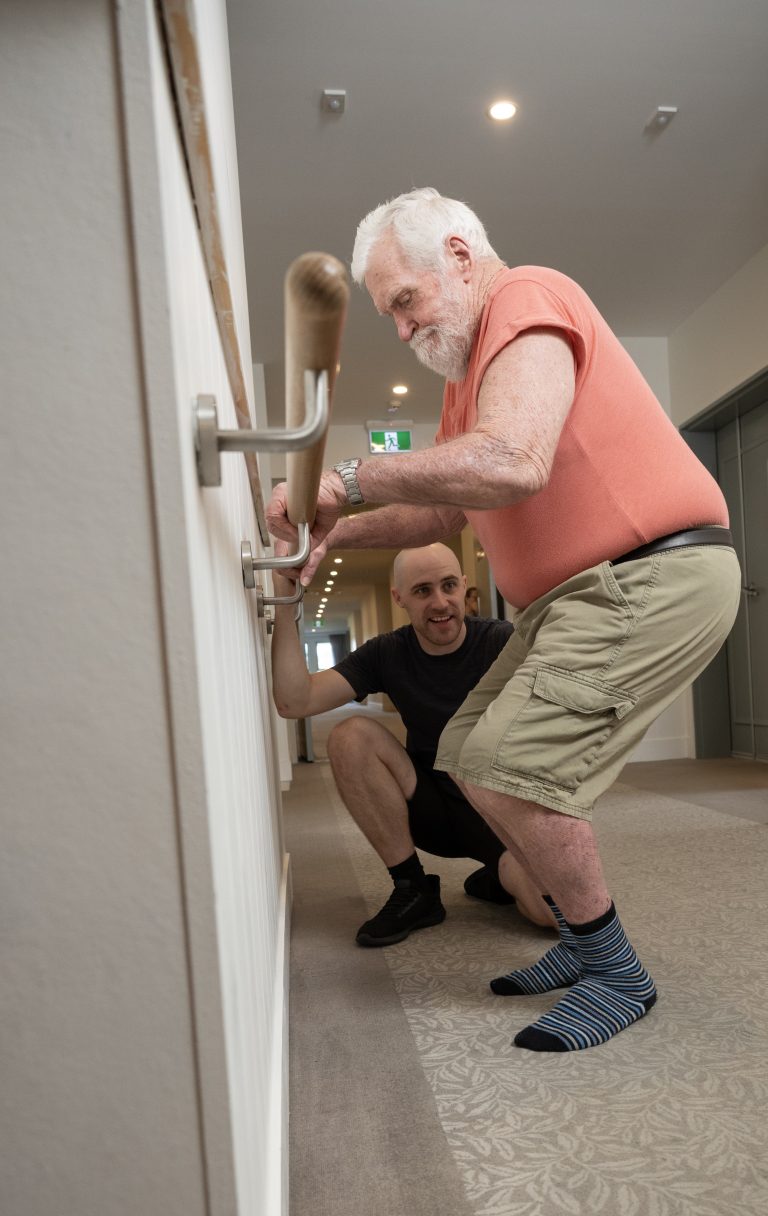
The bathroom is one of the most common places for a fall. Install grab rails beside the toilet and in the shower or bath, use a non-slip mat, and consider a shower chair and a raised toilet seat. Wipe up water on tiles straight away.
Bedroom
Place a lamp or touch light within easy reach of the bed, and use night lights along the path to the toilet. Check that the bed is a comfortable height, so your parent can sit with their feet flat on the floor before they stand up.
Kitchen and living areas
Store everyday items between waist and shoulder height, so they are easy to reach without climbing or bending low. A stable chair with armrests makes it much easier to stand up safely.
Outside the home
Keep paths, steps and driveways in good repair, fix uneven surfaces and add outdoor lighting near entrances. Simple home maintenance, such as clearing leaves and moss from paths, is easy to change and well worth doing.
An occupational therapist can also carry out a full home safety assessment and recommend equipment. Occupational therapists and physiotherapists often work together to reduce falls in older people.
Personal Steps That Help Reduce the Risk of Falling
Alongside a safer home, a few personal habits can help prevent falls:
- Ask the GP or pharmacist for a medication review, especially if your parent takes several medications or often feels dizzy.
- Book an eye test every year and keep glasses up to date.
- Choose well-fitted, flat shoes with a firm heel and a non-slip sole, both inside and outside the home.
- Stand up slowly, and sit on the edge of the bed for a moment before walking.
- Ask the GP about bone health, including vitamin D and calcium supplements, particularly if your parent has osteoporosis.
- Maintain a healthy diet and drink enough water through the day.
- Keep a mobile phone or personal alarm within reach, so they can ask someone for assistance if they need it.
It also helps to practise what to do after a fall. Our guide on how to get up safely after a fall walks through the steps.
Why Balance and Strength Training Is the Key to Fall Prevention
Home changes remove hazards, but the most powerful way to prevent falls is to improve your parent’s balance and strength. A large Cochrane systematic review found that exercise reduces the rate of falls in older people living in the community by around 23%. Programs that mainly involve balance and functional exercises had the strongest evidence, and the effect was greater when a health professional, usually a physiotherapist, delivered the exercise program.
Good options include:
- A tailored home exercise program that targets leg strength, balance and walking
- Tai chi, which may also reduce falls
- Group exercise programs designed for older adults
- Regular walking, light gardening and staying active through the day
To make a real difference, balance exercises need to be challenging but safe, and kept up over months rather than weeks. Our article on the best balance exercises for seniors at home has simple exercises to start with.
How Physiotherapy Can Help Your Parent Prevent Falls
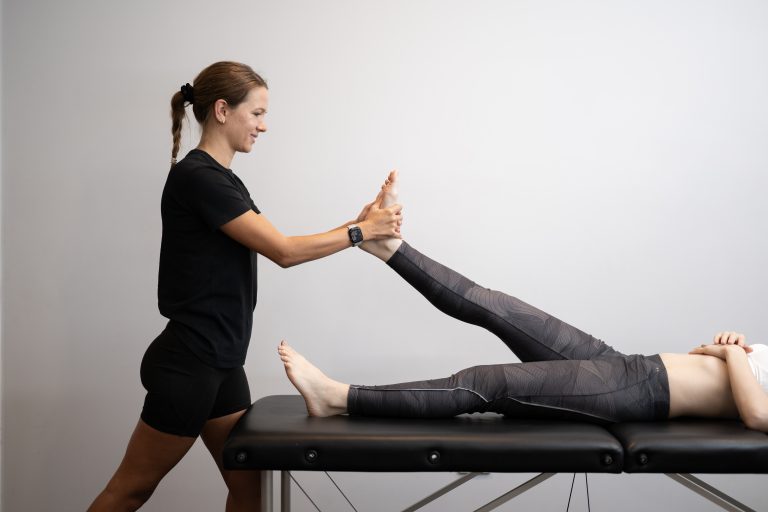
A physiotherapist can find out why your parent is unsteady and build a plan to address it. Our mobile physiotherapists visit your parent at home or in their aged care facility, so we assess them in the environment where most falls happen. A typical fall prevention program includes:
- A falls risk assessment covering strength, balance, walking and how your parent gets in and out of a chair, bed and shower
- A personalised exercise program that is safe for their health conditions and progresses over time
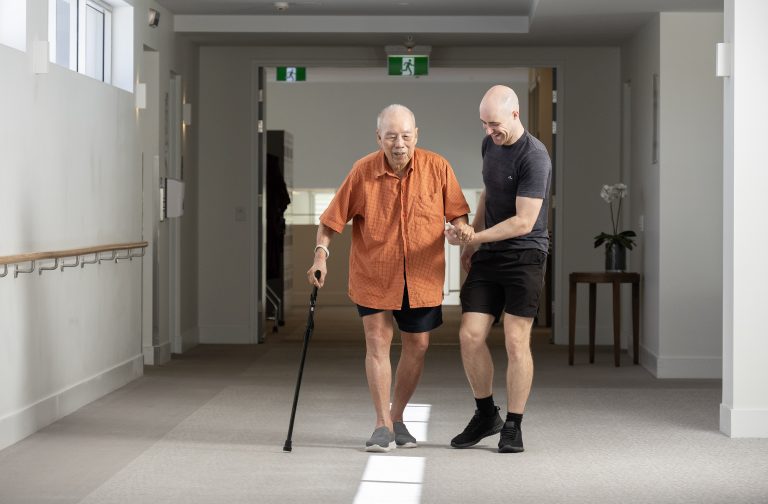
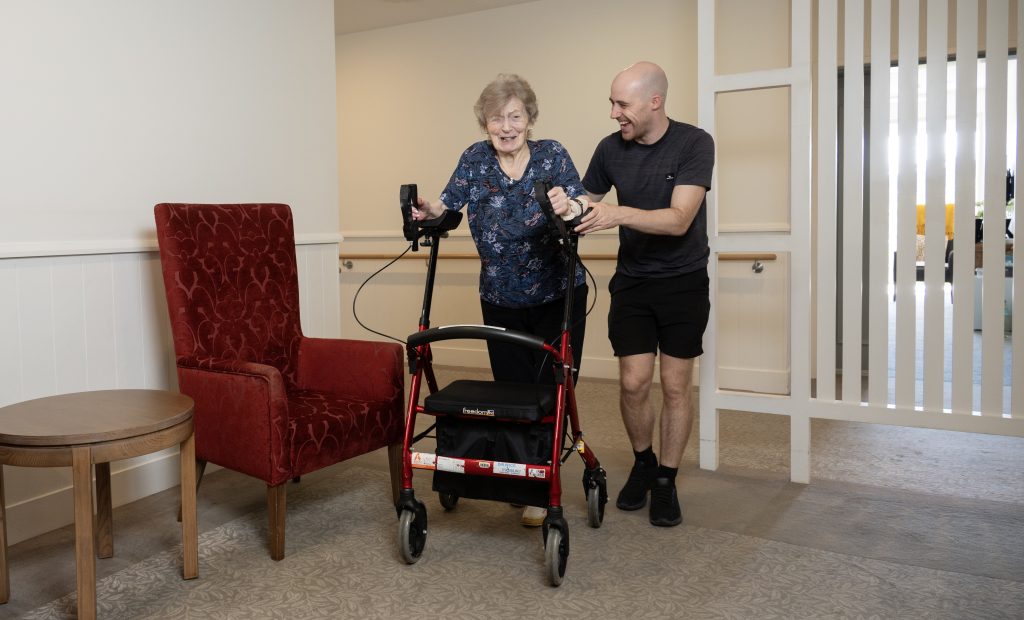
- Gait training and advice on walking aids, such as a walking stick or a walking frame
- Practical advice on hazards around the home, footwear and getting up from the floor
- Support to rebuild confidence for people with a fear of falling
- Hydrotherapy, where suitable, for low-impact strength and balance work in warm water
Learn more about our physiotherapy for older adults on the Gold Coast, or read can physiotherapy prevent falls in older adults? for a closer look at the evidence.
Supporting Your Parent as a Carer
As a carer, you play a big part in preventing falls. Encourage your parent to keep up their exercises, join them for a walk, and watch for changes such as new dizziness, confusion or a drop in appetite, which can increase their risk of falling. Involve them in decisions, so the changes feel like their choice rather than a loss of independence. Our at home exercise tips for caregivers explain how to support them safely.
If your parent receives Support at Home funding (which replaced Home Care Packages), physiotherapy may be included in their care services. See our page on Support at Home mobile physiotherapy, or read who pays for your physio to understand the other options, including Medicare, DVA and private health insurance.
Book a Falls Prevention Assessment at Home
If you are worried about your parent falling, do not wait for an accident. Our mobile physiotherapists visit homes and aged care facilities across the Gold Coast to assess falls risk and build a plan that fits your parent’s life.
Small Changes Can Prevent Falls and Protect Independence
Reducing your parent’s risk of falls at home is about more than safety. It is about independence, confidence and peace of mind for the whole family. Start with a safer home, add regular balance and strength training, and get the right professional support. Together, these steps can help your parent keep moving freely in their own home.
Frequently Asked Questions
Why does my elderly parent keep falling?
Repeated falls usually come from a mix of factors, such as weak legs, poor balance, medication side effects, eyesight problems or hazards around the home. A GP review and a physiotherapy falls risk assessment can find the causes and set out a plan to reduce the risk.
What is the quickest way to make my parent’s home safer?
Start with lighting, clutter and the bathroom. Add night lights, clear walkways, remove loose rugs, and install grab rails and a non-slip mat in the shower. These changes are inexpensive and can be done in a weekend.
How often should my parent do balance exercises?
Most older adults benefit from balance and strength exercises at least three times a week, built up gradually. A physiotherapist can set the right level so the exercises are challenging but safe.
Should my parent use a walking stick or a walking frame?
It depends on their balance, strength and the reason they feel unsteady. The wrong aid, or one set at the wrong height, can increase the risk of a fall, so it is best to have a physiotherapist assess them first.
Can a physiotherapist come to my parent’s home?
Yes. GM Physiotherapy is a mobile service, so our physiotherapists visit homes and aged care facilities across the Gold Coast. Seeing your parent at home lets us spot real hazards and practise exercises in the places they use every day.