Is Physiotherapy Effective For Frozen Shoulder? Learn About Physio and Effective Management Of Frozen Shoulder
By Grant_Admin
Jun 29, 2026



 Back to all posts
If you have frozen shoulder, you may not be able to dress, reach above your head, drive, or do usually simple things. A lot of individuals try to wait for the pain to go away, but studies show that active therapy can help you get moving again faster. Physiotherapy gives you a plan, defined goals, and helps with your progress. This guide has all the information you need to understand how physiotherapy works and what to expect.
What Frozen Shoulder Means for Your Daily Life
Frozen shoulder, also called adhesive capsulitis, can happen when the shoulder joint becomes tight and painful. This is caused when the shoulder capsule tightens. This can be through repeated use or a shoulder or arm injury, or you may even develop idiopathic frozen shoulder (for unknown reasons). Movement can become restricted, and it can be very painful. Studies show that the condition can last from one to three years if not addressed through rehab or shoulder surgery for Adhesive Capsulitis. Pain often gets worse at night, and many people wake up several times because any shoulder movement causes intense pain, highlighting the need for effective pain relief strategies. Physiotherapy is usually the best start point for recovery. In more persistent or stubborn cases, treatments such as hydrodilatation, corticosteroid injections, or occasionally surgery may also help reduce pain and improve movement.
Symptoms of Frozen Shoulder
Common symptoms include:
• Difficulty lifting your arm
• Pain during simple tasks like reaching for your seatbelt
• Stiffness that increases over time
• Trouble sleeping on the affected side
• Reduced strength due to disuse
When symptoms progress, you may avoid movement. This leads to further reduced motion around the shoulder joint. Physiotherapy aims to break this cycle by giving you safe movement strategies that match your pain level.
Why Physiotherapy Is Recommended for Frozen Shoulder
Physiotherapy helps frozen shoulder through controlled movement and hands-on techniques. Research from the Journal of Orthopaedic and Sports Physical Therapy found that guided stretching programs improve movement quality and reduce pain over time. When you work with a physiotherapist, you receive a personalised plan that fits your stage of frozen shoulder. The three main stages include freezing stage, frozen stage, and thawing stage. Each stage of treatment for frozen shoulder needs a different approach.
Physiotherapy is recommended because it helps you:
• Reduce pain in a structured way
• Improve joint mobility
• Strengthen the muscles around the shoulder
• Return to daily tasks sooner
• Reduce the risk of long-term stiffness
Your physiotherapist will guide your activity and exercise levels to help avoid overly aggressive movements that may increase pain or stiffness. Having a clear plan and realistic expectations can make a big difference throughout what can often be a long recovery journey. Chronic conditions like frozen shoulder can sometimes lead to more complex pain patterns, so understanding both the condition itself and how pain works can be very helpful during recovery.
What You Can Expect During Physiotherapy Sessions And Each Stage Of Frozen Shoulder Treatment
Your first session usually involves a full assessment of movement, strength, posture, and pain triggers. The therapist will ask how long you have had symptoms and what tasks give you difficulty. The goal is to understand your daily needs, so your plan fits your lifestyle.
A typical session may include:
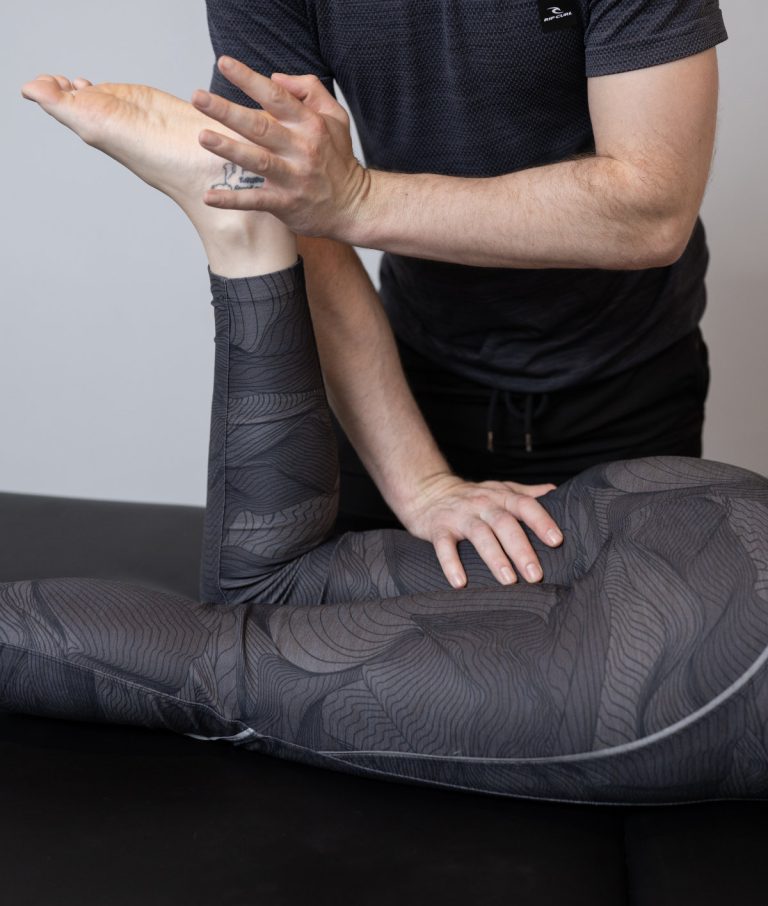
• Gentle joint mobilisations that help mobilise the shoulder
• Soft tissue techniques that aim to reduce muscle guarding
• Guided stretching matched to your tolerance
• Strengthening exercises for the rotator cuff and upper back
• Education on positions and activities that prevent extra irritation
Your progression depends on factors including pain levels and range of motion. A clear plan helps you understand what each exercise is trying to achieve. That gives you confidence to continue your program at home.
How Home Exercises Support Better Results
Physiotherapy works best when combined with daily home exercises. Research shows that people who perform consistent shoulder mobility home programs often recover faster. Your exercises should feel safe and controlled. The goal is steady improvement, not forced movement.
Common exercises include:
• Table slides
• Wand-assisted shoulder elevation
• External/ Internal rotation stretches
• Pendulum movements
• Light isometric strengthening
Your physiotherapist will adjust your program as your shoulder recovers. You should avoid sharp/ severe pain but some discomfort is expected when you move a stiff joint.
How Long a Frozen Shoulder Takes to Improve
Recovery time varies. Many people notice improved movement within six to twelve weeks when they follow a consistent physiotherapy plan. If the condition has progressed for a long time before treatment, recovery may take longer even up to two years. The goal is steady improvement with fewer flare-ups.
Studies estimate that guided movement programs can shorten the overall duration of the condition. Early treatment often produces better outcomes.
When Mobile Physiotherapy Helps
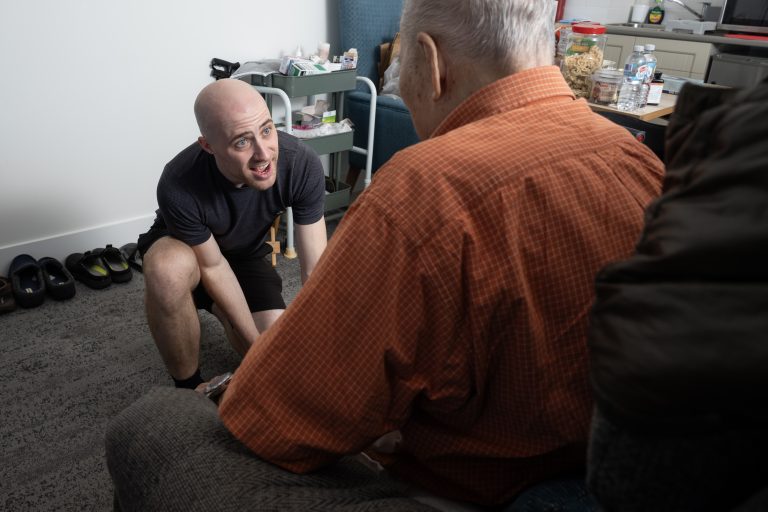
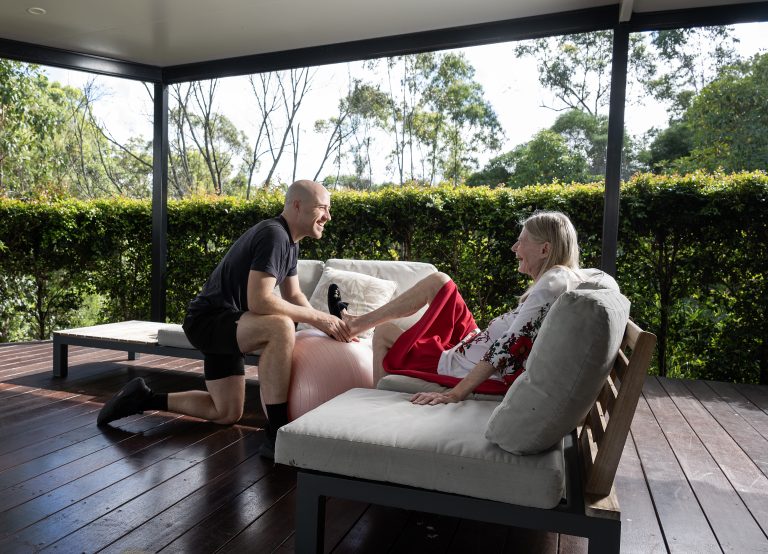
You may prefer physiotherapy treatment at home if you have pain during driving or if you live in an aged care facility. Mobile physiotherapy helps you receive care without travel. A therapist can assess you in your own environment. This helps identify daily tasks that need modification. For example, your therapist may check how you reach into your cupboard or how you get dressed and recommend safer ways to move.
Mobile physiotherapy also helps when you require hydrotherapy. Many providers can offer aquatic sessions in nearby facilities so you can train in warm water. Warm water reduces joint load and helps you move through a wider range with less pain.
Practical Steps You Can Take Today
You can begin making progress with small changes.
- Apply a warm pack for ten to fifteen minutes before movement. Heat helps reduce stiffness.
- Avoid overhead lifting until your physiotherapist assesses your range.
- Sleep with a pillow supporting your arm in front of your body. This often reduces night pain.
- Move your shoulder gently throughout the day instead of staying in one position for long periods.
- Track your pain levels and share them with your physiotherapist. This helps adjust your plan.
Evidence That Supports Physiotherapy for Frozen Shoulder
Studies from The American Journal of Sports Medicine show that regular guided exercises increase functional movement compared to rest alone. Another study from the Journal of Shoulder and Elbow Surgery found that patients with frozen shoulder who received physiotherapy reported higher satisfaction and better shoulder function after six months.
These studies highlight that structured movement and manual therapy provide benefits for pain control and mobility.
When You Should Seek Care
You should seek physiotherapy if shoulder pain lasts longer than two weeks or if movement becomes difficult for daily tasks. If you notice sudden weakness or severe swelling, you should see a doctor to rule out other conditions.
A physiotherapist can determine whether frozen shoulder is the source of your symptoms or if another issue needs attention.
How GM Physiotherapy Supports Your Recovery
GM Physiotherapy offers conservative treatment including mobile physiotherapy and osteopathy services across the Gold Coast and nearby areas. You receive one to one care in your home, workplace or aged care facility. Treatment plans use clear steps that match your stage of frozen shoulder. Your therapist focuses on practical goals such as reaching, lifting light objects, or sleeping comfortably. Hydrotherapy and manual therapy, including massage, are available when needed to support your recovery.
You receive support that fits your environment. This makes your exercises easier to maintain and helps you stay consistent.
FAQs
Does frozen shoulder improve with rest?
Rest alone often prolongs stiffness. Gentle movement and guided exercises help you regain function.
How often should I do physiotherapy for frozen shoulder?
Many people attend bi-weekly, weekly or fortnightly sessions based on pain levels and progress. Your physiotherapist will set a plan that suits your needs.
Can frozen shoulder return after recovery?
Most people recover fully in time, although mild stiffness can return if the shoulder remains inactive for long periods. Regular movement helps maintain your range, strength and provides pain relief.
Is pain normal during exercises?
Mild discomfort is common, physio’s commonly say a maximum of 4/10 out of pain is the safer threshold during exercise. Sharp or intense pain should be avoided. Your physiotherapist will guide you on safe limits.
GM Physiotherapy For Your Frozen Shoulder Treatment
Frozen shoulder creates challenges, but GM physiotherapy gives you a clear path forward. You receive structured exercises, hands-on care, and practical strategies that support steady recovery. When you receive treatment at home, your therapist can tailor your plan to your daily environment. Consistency and guidance often lead to better long-term results.
If you want help improving your movement and reducing pain, GM Physiotherapy can support you with personalised mobile care across the Gold Coast.