Can Physiotherapy Help With Plantar Fasciitis and Heel Pain? Managing Plantar Fasciitis With Physiotherapy
By Mark Slorence
Apr 10, 2026


 Back to all posts
One of the most prevalent reasons for heel discomfort is plantar fasciitis, which happens to those who stand or walk for lengthy periods of time. The discomfort can be intense, especially when you first get up in the morning, and it often makes it hard for you to be active. Physio diagnosis and treatment has proven ways to help reduce pain, enhance movement, and keep it from coming back.
What is Plantar Fasciitis?
When the thick band of tissue that links your heel to your toes gets inflamed, you get plantar fasciitis. The plantar fascia is a type of tissue that supports the arch of your foot and absorbs the shock of walking or running. When this area is put under a lot of stress, it might get minor tears that cause pain and swelling.
You will normally feel pain under your heel that can progress along the arch of your foot. The discomfort usually gets greater when you first get up or after sitting for a while. The pain may go away when you walk around, but it usually comes back after standing for a long time.
Common Causes and Symptoms of Plantar Fasciitis
There are a number of things that can make you more likely to get plantar fasciitis. One of the biggest reasons is standing or walking on hard flooring for a long time. If your shoes don’t support your feet well, they put extra stress on your heels and arches.
Gaining weight or being overweight puts more pressure on your feet and can potentially make things worse. If your calf muscles are tight or your Achilles tendon is stiff, your plantar fascia has to work harder, which can make it hurt. People who have flat feet or high arches are also more likely to get this condition. Changes in physical activity, such as starting a new running routine or walking longer distances, might also cause symptoms.
How Physiotherapists Help With Plantar Fasciitis And Treatment Options
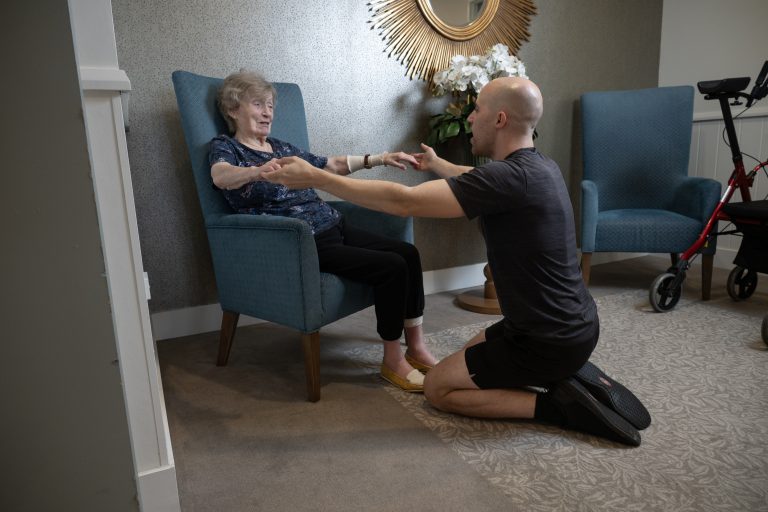
Physiotherapy doesn’t just make your discomfort go away, it also gets to the bottom of it. At GM Mobile Physiotherapy, we make sure that each treatment plan is tailored to your specific needs and the layout of your house so that you can get better quickly and easily.
Pain Relief With Massage and Stretching
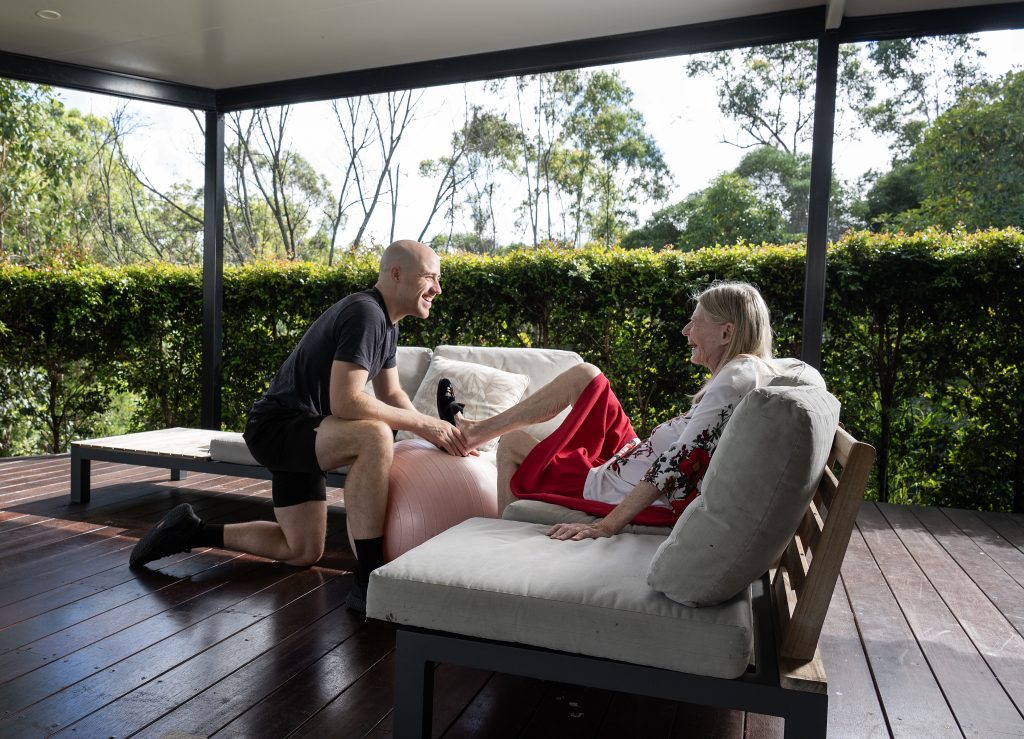
A physiotherapist can use manual treatment and soft tissue techniques to ease swelling and stress in your foot. Gentle stretching and massage help blood flow and make you feel better. You can also use ice therapy or tape to ease the discomfort and support your arch as it heals.
Improving Flexibility and Mobility
If your calf muscles are tight, they might put more stress on your plantar fascia. Your physiotherapist will show you how to stretch your calves and the bottom of your foot to make them more flexible again. Stretching regularly helps keep the tissue from getting tight again and makes it less stiff.
Exercises for Plantar Fasciitis: Strengthening the Foot and Lower Leg
If your foot and leg muscles aren’t strong enough, they can put too much pressure on your heel. Strengthening exercises work the muscles that support your arch and protect it from damage while you walk. Over time, simple things like picking things up with your toes or rolling a little ball beneath your foot can make a big difference.
Correcting Foot Mechanics
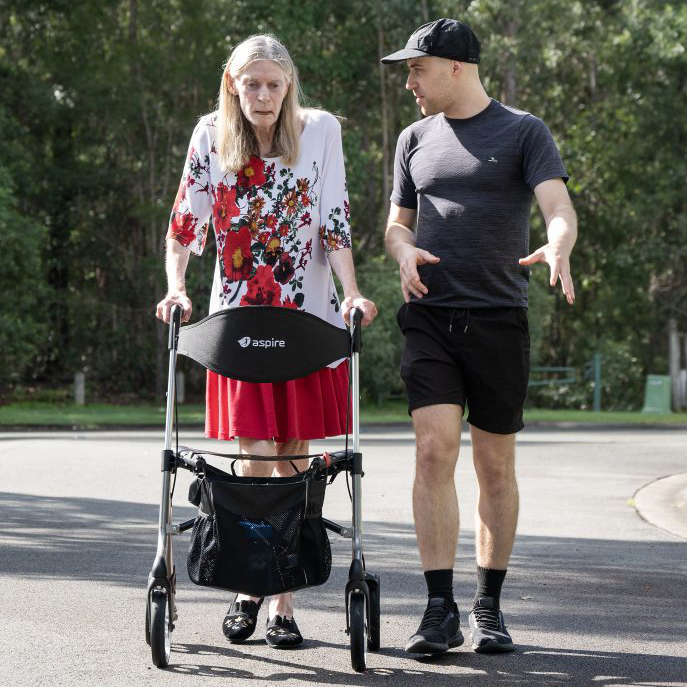
The way you walk changes how your foot carries weight. Physiotherapists typically look at how you walk to find problems like overpronation or not being balanced. They can recommend certain shoes or orthotic inserts that provide your feet more support and ease the strain on your fascia. You will be able to move more easily and lower the risk of the discomfort coming back by making sure your feet are in the right position.
Education and Prevention
Learning how to keep your feet safe from injury in everyday life is a big aspect of physiotherapy. You’ll get help picking the correct shoes, keeping track of how much you move, and making a stretching program. You can stop the condition from coming back by making tiny changes to how you walk and stand.
Steps to Help You Recover From Plantar Fasciitis
You may do things at home that will help you get better. Try to keep your feet up as much as you can and don’t stand for long periods of time. Putting ice on the area for around fifteen minutes a few times a day can help with swelling. Putting a frozen water bottle under your foot is a simple technique to chill and massage the area at the same time. Even while you’re inside, always wear shoes that support your arches. Don’t go barefoot on hard floors. Stretching your calves and the bottom of your foot before and after working out is also helpful. Taking care of yourself regularly and getting physiotherapy often works best.
Why Choose GM Physiotherapy For Your Physiotherapy Treatment Of Plantar Fasciitis
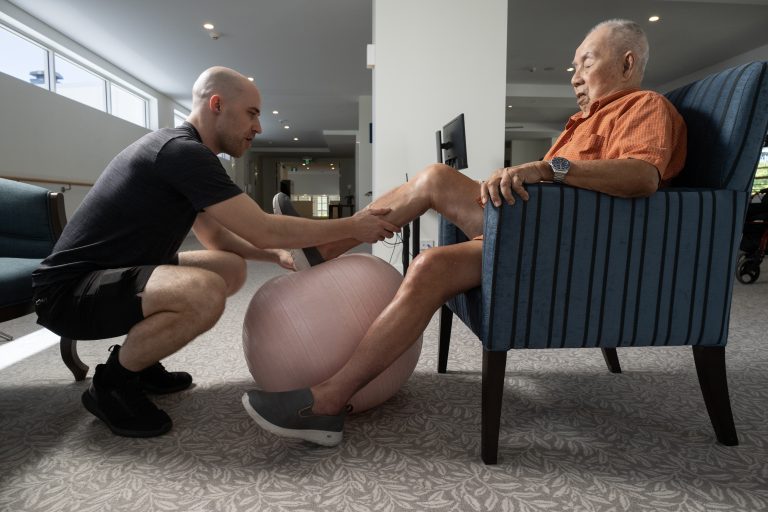
GM Physiotherapy offers mobile physiotherapy services all across the Gold Coast, so we come to your home or aged care facility to give you care. This makes therapy easier and more comfortable, especially if walking or driving hurts. The main aim of our team is to understand your unique circumstances and needs, and ensure that each session meets those objectives. We deploy established methods, including manual therapy, hydrotherapy, and focused exercises, to help you get your strength and movement back. We put our clients first, so you can be guaranteed to get the greatest care in a place that works for you.
Recovery Time and Plantar Fasciitis With Physiotherapy
How long it takes to get better depends on how bad the condition is and how well you stick to your treatment. A lot of people feel a difference within a few weeks of sticking to their exercise and physiotherapy schedules. It may take longer to get better if the pain has been there for months or years. Sticking to the plan your physiotherapist gives you is the most crucial thing.
When to Seek Help With Managing Plantar Fasciitis
If your heel discomfort doesn’t go away after two weeks of rest and self-care, you should see a physiotherapist. Never overlook discomfort, swelling, or trouble walking that doesn’t go away. Getting therapy early stops the injury from becoming chronic and helps you get back to normal exercise faster.
Book Your Physiotherapy For Plantar Fasciitis Today
Plantar fasciitis can make daily tasks uncomfortable, but effective treatment is available. Physiotherapy helps by reducing pain, improving movement, and teaching you how to protect your feet from further strain. At GM Physiotherapy, we’re committed to helping you move freely and comfortably again. Our mobile services across the Gold Coast make treatment easy and accessible, so you can focus on recovery in the comfort of your own home.