Does Soft Tissue Massage Help With Chronic Pain?
By Grant_Admin
Dec 15, 2025


 Back to all posts
Introduction To Therapeutic Massage
When it comes to chronic pain, it can feel as though it is all-consuming. It seeps into ordinary activities, walking, cooking, working, even sleeping well through the night. When pain lasts for months or years, it’s natural to look for safe and effective approaches to managing it that don’t rely on just medication. Enter soft tissue massage, sometimes referred to as deep tissue massage or remedial massage, which often takes centre stage in easing muscle soreness and tension. But does such hands-on treatment do anything to relieve pain and stiffness?
At GM Physio, we have many clients we visit on the Gold Coast and enquire about this very thing. So let’s get into the science, the benefits, and how soft tissue massage as part of a treatment plan can help make long-term pain a little more manageable.
What Exactly Is Soft Tissue Massage?
When people hear the word “massage,” they may envision afternoons of spa relaxation. There’s an element of that in soft tissue massage too, but when it comes to physiotherapy and osteopathy led massage, muscular tissue therapy goes further. It is a clinical approach in that it focuses on muscles, tendons, ligaments and fascia, the connective tissues that help to support movement.
A physio or osteo may be able to release pressure and circulation, reduce tension, and stiffness in these tissues by “stretching”, moving them rhythmically. It’s not just about feeling good; it’s about restoring function.
The Link Between Soft Tissue Massage For Chronic Pain
The problem with chronic pain is not just a physical problem, there are issues in the nervous system, and it has emotional elements. The body may develop protective patterns like muscle tightness and impaired movement that can add to pain rather than alleviate it over time.
Soft Tissue Massage interrupts this cycle in several different ways:
- Increased blood flow: Enhanced circulation allows nutrients and oxygen to be delivered to tissues more quickly, which hastens recovery.
- Decreased muscle tension: Tense muscles put stress on joints and nerves.
- Pain management: Massage has been shown to stimulate the production of endorphins, the body’s natural painkillers. This means that massage can actually reduce pain even in the chronic setting where there is no significant tissue damage to repair.
- Nervous system soothing: Small, repetitive motions help reduce stress and guide the nervous system out of “fight or flight” mode. Again, providing pain relief in situations where these things are contributing to persistent pain symptoms.
What Does the Research Say About Massage Helping Chronic Pain?
Research indicates that massage therapy can alleviate a broad range of conditions, including lower back pain, osteoarthritis, fibromyalgia and chronic neck or shoulder pain. In the Pain Medicine Journal, a study found that massage therapy effectively improved function and decreased pain intensity among those who suffered from chronic musculoskeletal pain.
While massage may not be a “cure” for chronic pain, there is evidence to indicate that massage can help lower your level of discomfort and help improve your range of motion so you can enjoy an overall higher quality of life – especially when it’s combined with other treatments like physiotherapy, exercise, and lifestyle changes.
Conditions Where Massage May Help With Pain Management
Soft tissue massage can be particularly effective for:
- Persistent muscle stiffness from poor posture or prolonged sitting
- Chronic lower back or neck pain
- Fibromyalgia, where gentle touch can ease sensitivity
- Arthritis-related joint pain, especially when joints feel stiff
- Post-surgery recovery, where tissues need help healing by promoting blood flow to the affected parts of the body
It’s important to remember that each case is unique. What works for one person may not work the same way for another, which is why personalised care is so valuable.
Is It Just Temporary Relief?
This is a common question. A common concern is that the effects of massage are short-lived and pain returns in a matter of hours. The answer is yes, some of the effects can be transient, particularly at first. But if performed regularly, soft tissue massage can assist in retraining the body, freeing up tight patterns and promoting longer-term improvements in function and comfort.
That’s why massage therapy is often combined with other physiotherapy approaches, such as specific exercises, hydrotherapy or joint mobilisation. We’ve found this combined approach works well for our Gold Coast clients at GM Physiotherapy, often providing better long-term results.
The Role of Personalised Care
There are no two people with chronic pain who experience it in the same manner. That’s why treatment needs to be personalised. A generic “one-size-fits-all” massage may not be sufficient. Highly experienced physiotherapists take into account your individual situation, lifestyle, causes of pain and surroundings to make a decision on which approach they’re going to use.
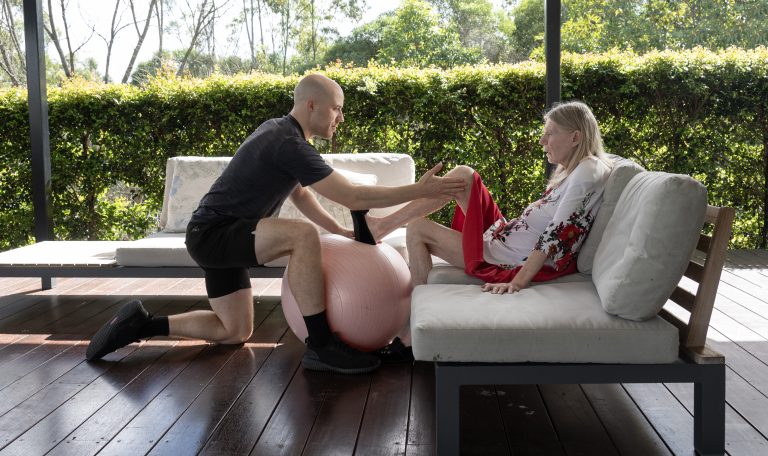
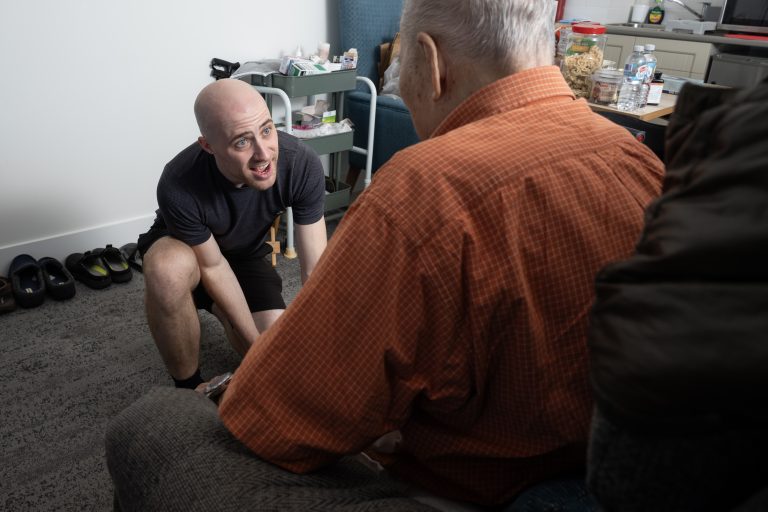
For instance, someone post-hip replacement surgery might benefit from soft tissue release and mobility exercises; one with arthritis may need slower, firmer pressure to be applied more consistently. This is where mobile physiotherapy, such as that provided by GM Physiotherapy, can make a world of difference, with customized care delivered directly at your door, at home or within an aged care facility.
When to Seek Professional Advice
If you’ve been experiencing chronic pain, it’s a good idea to discuss treatment with a qualified healthcare provider. For most people, soft tissue massage is perfectly safe, but there are a few situations where caution should be taken, for example with blood clotting disorders, fractures or skin infections.
A physiotherapist can help you figure out if a massage is really the answer to your woes, and more importantly, where it fits in an overall plan for managing your pain over the long term. Remember, massage alone is rarely a magic solution for pain, but it can be an important part of a treatment plan to reduce symptoms of chronic pain, improve wellbeing, help manage episodes of acute pain and contribute to increased overall improvements in physical and mental health.
Conclusion
So, does a soft tissue massage help relieve pain or not? The answer: Yes – for a lot of people, it can make a difference. It’s not magic, but research and clinical experience suggest that it can help alleviate pain, improve movement and make a life of chronic pain more manageable.
At GM Physiotherapy, we think that massage works best as an integrated treatment, using a wider range of physiotherapy techniques to suit you. Whether you have pain following surgery, are struggling with arthritis or experiencing chronic muscle aches, our mobile team on the Gold Coast is there to free and rejuvenate your body.